Learn how to layer perfumes like a pro and create your signature scent. This guide shows you the best techniques, fragrance pairings, and tips to make your perfume last longer and smell better than ever before.
Quick Answers to Common Questions
Tip/Question?
Answer: Always apply perfumes in order—base first, then middle, then top. Waiting 5–10 minutes between layers helps them bind better.
Tip/Question?
Answer: Store your perfumes in a cool, dark place. Heat and sunlight break down the molecules, making them lose their strength.
Tip/Question?
Answer: Use unscented moisturizer between layers to soften strong scents and prevent irritation.
Tip/Question?
Answer: Patch test new combinations on your inner arm. Wait 24 hours to see how your skin reacts before wearing it out.
Tip/Question?
Answer: Don’t spray perfume directly on clothes. Fabric can absorb the scent unevenly and may stain or fade.
How to Layer Perfumes Like a Pro
You’ve probably heard the phrase “more is more” when it comes to perfume. But what if you could get more—without overdoing it? That’s where perfume layering comes in. Think of it like building a song: you start with the bass, add the melody, then bring in the harmony. The same goes for scent. Layering allows you to create a custom fragrance that’s uniquely yours—long-lasting, complex, and unforgettable.
In this guide, you’ll learn exactly how to layer perfumes like a pro. We’ll walk through the science, the strategy, and the simple steps anyone can follow. Whether you’re new to fragrance or a seasoned scent lover, you’ll walk away with a technique that elevates every spritz.
Why Layer Perfumes?
Most perfumes are designed to fade within a few hours. But when you layer, you extend that time—and deepen the experience. Here’s why it matters:
- Longer wear: A base note anchors the scent, making it last all day.
- Unique identity: You become the artist of your own fragrance blend.
- Cost-effective: Instead of buying multiple full bottles, you mix what you already have.
- Skin compatibility: Different fragrances react differently to your pH levels—layering helps balance the result.
Ready to turn your perfume routine into a signature experience? Let’s dive in.
Step 1: Understand the Fragrance Pyramid
Before layering, you need to know the three layers of any fragrance: top, middle (heart), and base. Each plays a role in how the scent develops throughout the day.
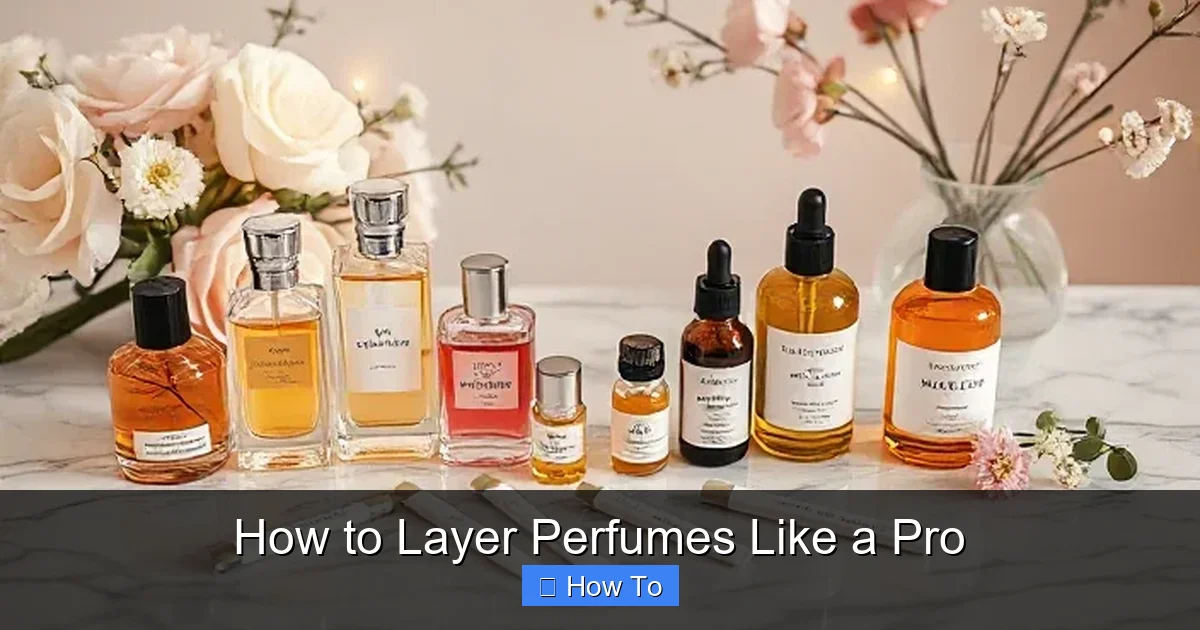
Visual guide about How to Layer Perfumes Like a Pro
Image source: waniperfumes.ca
Top Notes
These are the first impression—light, fresh, and often citrusy or herbal. They last 15–30 minutes and fade quickly. Examples: bergamot, lemon, lavender, or peppermint.
Middle Notes
Also called heart notes, these emerge as the top notes fade. They define the core character—floral, spicy, or fruity. Last 2–4 hours. Examples: rose, jasmine, geranium, or cinnamon.
Base Notes
The foundation. These are rich, deep, and long-lasting—often woody, musky, or sweet. They linger for hours and help other notes settle. Examples: vanilla, sandalwood, amber, or patchouli.
When layering, you’re essentially stacking these layers—starting with base, adding middle, finishing with top. Think of it like painting: undercoat, midtone, then highlight.
Step 2: Choose Compatible Fragrances
Not all perfumes play well together. Clashing scents can smell sour or overwhelming. Here’s how to pick winners:
Match by Fragrance Family
- Floral + Woody: Rose and sandalwood = elegant, timeless.
- Fresh + Spicy: Grapefruit and cardamom = zesty, energizing.
- Gourmand + Musky: Vanilla and cashmere musk = cozy, dessert-like.
- Citrus + Aquatic: Lemon and sea breeze = clean, summery.
Avoid Clashing Combinations
- Fruity + Smoky (e.g., strawberry and tobacco)
- Sweet + Sharp (e.g., caramel and pepper)
- Earthy + Overly Floral (e.g., patchouli and lily)
Practical Tip:
Stick to one brand or family when possible. Many brands use similar accords, so they’ll blend smoothly.
Step 3: Start with the Base Layer
This is the most important step. Your base note sets the tone and ensures the rest of your blend lasts.
How to Apply
- Spray 1–2 spritzes of a base-scented product onto your wrists and inner elbows.
- Let it dry completely before adding the next layer.
Best Base-Scents to Use
- Vanilla-based body lotion
- Sandalwood or cedarwood oil
- Amber or musk fragrance
- Woody perfume (like sandalwood or vetiver)
Pro Tip: If you don’t have a base perfume, try mixing a drop of sandalwood oil into your moisturizer.
Step 4: Add the Middle Layer
This is where the personality of your blend shines. Add a fragrance with prominent middle notes to build depth.
Application Tips
- Wait 5–10 minutes after the base has absorbed.
- Use 1 spritz on each wrist—don’t rub them together yet.
- Focus on pulse points: behind ears, neck, and chest.
Great Middle Note Pairings
- Rose + Vanilla (romantic, soft)
- Jasmine + Cinnamon (warm, exotic)
- Lavender + Geranium (clean, herbal)
Remember: less is more. One spritz is usually enough. Too much can overwhelm the base.
Step 5: Finish with the Top Layer
This final touch adds brightness and complexity. It’s like the sparkling garnish on a cocktail.
When to Apply
- After the middle note has slightly warmed on your skin.
- Ideally, 10–15 minutes after applying the base.
Best Top Note Options
- Citrus sprays (bergamot, mandarin)
- Herbal eau de toilette (peppermint, rosemary)
- Light aquatic mist (ocean breeze, cucumber)
Apply sparingly—just one light spray per wrist. Rub hands gently afterward to blend without over-applying.
Step 6: Blend and Test
Now comes the magic: blending. Let the layers interact on your skin for 10–15 minutes.
Blending Tips
- Rub wrists together gently—don’t scrub.
- Smell each wrist separately to check balance.
- If it smells too strong, dab a little unscented lotion between layers to dilute.
Testing Your Blend
- Wear it for at least 4 hours.
- Note how it changes over time—does it stay harmonious?
- Adjust next time: more base, less middle, etc.
Keep a journal! Write down what worked and what didn’t. Over time, you’ll learn your preferences.
Troubleshooting Common Mistakes
Even pros mess up sometimes. Here’s how to fix common layering issues:
Mistake 1: Overloading
Problem: Scent is too heavy or cloying.
Solution: Start with half the amount of each fragrance. Build gradually.
Mistake 2: Wrong Order
Problem: Top note dominates and masks everything.
Solution: Always apply base → middle → top. Wait between steps.
Mistake 3: Incompatible Scents
Problem: Fragrances clash and smell sour.
Solution: Stick to similar families. Use a neutral base to bridge differences.
Mistake 4: Applying to Hair or Clothes
Problem: Scent becomes harsh or stains fabric.
Solution: Only apply to skin—specifically pulse points.
Mistake 5: Not Testing
Problem: You love it in the store but hate it on yourself.
Solution: Always test on your skin, not paper strips. Skin pH affects scent.
Bonus: How to Layer Without Multiple Bottles
Don’t have five perfumes? No problem. You can layer using just two products:
- Body wash + Perfume: Use a vanilla body wash as your base, then add a floral perfume.
- Moisturizer + Eau de Toilette: A musky lotion under a citrus EDT creates balance.
- Oil + Spray: Sandalwood oil on wrists, topped with a rose mist.
You don’t need expensive bottles. Creativity is key.
Conclusion: Own Your Signature Scent
Layering perfumes isn’t just about getting more out of your bottles—it’s about self-expression. When you layer like a pro, you’re not just wearing fragrance; you’re curating an experience. You control the depth, the longevity, the story your scent tells.
Start small. Try one pairing. See how it evolves. With practice, you’ll develop a nose for harmony and balance. And soon, people will recognize your scent from across the room—because it’s uniquely, beautifully you.
So go ahead. Grab your favorite scents, follow these steps, and layer your way to confidence. The world deserves to smell your best.
🎥 Related Video: Learn how to layer your fragrances like a pro! #fragrances
📺 Karina Waldron