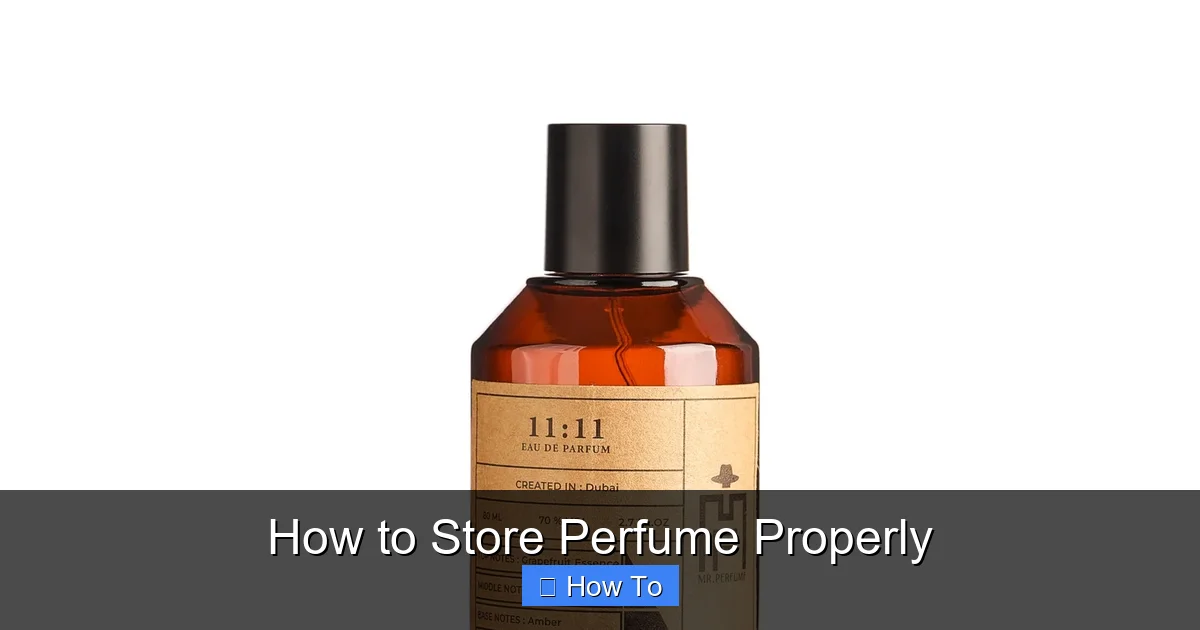
Storing your perfume correctly is essential for maintaining its original scent and quality. Exposure to heat, light, or air can cause fragrance degradation, leading to a change in aroma or even spoilage. By following simple storage tips, you can extend the life of your perfume collection and enjoy every spritz at its best.
Introduction: Why Proper Perfume Storage Matters
Have you ever opened your favorite bottle of perfume only to find it smells completely different? Maybe it’s lost its sparkle, turned sour, or faded into nothingness. The culprit? Improper storage. Fragrances are delicate chemical compounds, and their scent profile can change dramatically when exposed to the wrong conditions. Whether you’re a collector with dozens of bottles or someone who simply wants to make the most of one special fragrance, knowing how to store perfume properly is key to preserving its magic.
In this comprehensive guide, you’ll learn exactly how to protect your fragrance investment. You’ll discover why certain environments harm perfume, what steps you can take to keep it fresh, and how to troubleshoot common issues like evaporation or scent alteration. From choosing the right spot in your home to understanding how long perfumes last, we’ve got you covered. Let’s dive into the world of fragrance preservation so you can enjoy every spritz—just as the designer intended.
Understanding How Perfume Evolves Over Time
Before we get into storage tips, it’s important to understand why perfume changes. Perfume is made up of three layers: top notes (the initial burst), middle notes (the heart), and base notes (the lasting impression). These components are crafted to evolve beautifully over time. But this evolution depends on proper storage.
When perfume is exposed to air, light, or heat, the volatile organic compounds that give it scent begin to break down. This process is called oxidation. Over time, oxidation can cause the fragrance to become sharper, sweeter, or even sour. For example, a floral perfume might lose its softness and develop a medicinal or plastic-like odor. Similarly, citrus scents can turn flat or stale.
Another factor is evaporation. Perfumes contain alcohol and oils, which naturally evaporate when the bottle is left open. Even with the cap on, tiny amounts of air enter the bottle each time you spray. Repeated exposure accelerates this loss. That’s why minimizing air contact is crucial.
Lastly, temperature plays a major role. High heat speeds up chemical reactions inside the bottle, breaking down the fragrance faster. Cold temperatures slow things down but can also affect the viscosity of the liquid, making it harder to dispense evenly.
By learning how to store perfume properly, you’re not just preserving its scent—you’re protecting the artistry behind it.
Step 1: Choose the Right Location
The first step in proper perfume storage is selecting the ideal environment. Think of your perfume like a fine wine—it needs a stable, cool, dark place to age gracefully. Avoid areas with extreme temperatures or bright light.
Avoid the Bathroom
Many people keep their perfume in the bathroom because it’s convenient. However, this is one of the worst places for fragrance storage. Bathrooms are humid, warm, and often exposed to steam from showers. Heat and moisture accelerate oxidation and can damage the bottle’s seal. Plus, the steam can mix with the fragrance, altering its scent.
Instead, choose a bedroom drawer, a closet shelf, or a dedicated vanity space away from heat sources. If you must store it in the bathroom, keep the bottle tightly capped and out of the shower area.
Keep It Cool and Dark
Light, especially sunlight, is a major enemy of perfume. UV rays break down fragrance molecules, changing the scent profile. A window sill or near a skylight may look pretty, but it’s a death sentence for your fragrance.
Choose a dark, cool spot—like a cupboard or linen closet. Ideal temperatures range between 60°F and 70°F (15°C to 21°C). Avoid places near ovens, heaters, or radiators.
Maintain Consistent Temperatures
Fluctuations in temperature are worse than steady warmth. For example, leaving a bottle in a hot car during summer and then bringing it back indoors can cause condensation inside the bottle. This moisture can dilute the fragrance or encourage microbial growth.
If you live in a hot climate, consider storing your perfume in a cooler part of your home or even in a refrigerator (see below). In colder climates, avoid drafty windows or unheated rooms during winter.
Step 2: Protect the Bottle from Light
Light exposure is one of the fastest ways to ruin perfume. Even indirect sunlight can cause gradual damage. To protect your fragrance:
Use Original Packaging
If you still have the box or pouch that came with the perfume, keep it on. Many luxury brands use protective materials that block light and reduce vibration. This is especially helpful for collectors.
Avoid Clear or Glass Containers
Transparent bottles allow light to penetrate. If you’re storing multiple bottles, consider placing them in a drawer or cabinet where they won’t be exposed to light.
Use UV-Blocking Cases
For those who love displaying their perfumes, invest in UV-protective cases or display stands with tinted glass. These block harmful rays while still allowing you to admire your collection.
Step 3: Minimize Air Exposure
Every time you open your perfume bottle, air enters and mixes with the fragrance. This increases the rate of oxidation. To minimize this:
Tighten the Cap Immediately
After spraying, screw the cap back on firmly. Don’t leave it off for long periods.
Use an Atomizer Sprayer
Some people prefer using an atomizer instead of the original pump or sprayer. This allows for more precise application and reduces the amount of air entering the bottle each time.
Consider Vacuum-Sealed Storage Bags
For long-term storage, vacuum-sealed bags can help remove excess air from around the bottle. Just make sure the bag doesn’t press too hard on the cap.
Store Bottles Upright
Keeping the bottle upright prevents the cap from loosening due to movement and reduces the chance of leakage. It also helps maintain the integrity of the seal.
Step 4: Control Temperature and Humidity
Temperature and humidity work together to affect perfume. High humidity can cause the liquid to absorb moisture, diluting the fragrance. Extreme dryness can make the alcohol evaporate faster.
Avoid High Humidity Areas
Places like basements or near washing machines are too damp. Instead, opt for a dry, climate-controlled room.
Use a Dehumidifier if Needed
If your home is very humid, a small dehumidifier can help maintain optimal conditions.
Refrigeration for Long-Term Storage
Yes, you can store perfume in the fridge! Many experts recommend this for long-term preservation. The cold slows down chemical reactions and extends shelf life. Just make sure the bottle is tightly sealed and placed in an airtight container to prevent condensation.
However, don’t leave it in the freezer. Sudden temperature changes can damage the bottle or alter the fragrance.
Step 5: Organize Your Collection Smartly
If you’re a perfume lover with multiple bottles, organization matters. Poor storage can lead to cross-contamination or accidental exposure.
Group by Scent Family
Store similar fragrances together—floral with floral, woody with woody. This prevents stronger scents from affecting weaker ones through evaporation.
Avoid Stacking Heavy Bottles
Glass bottles can break under pressure. Use padded dividers or foam inserts in drawers or cabinets.
Label Bottles if Necessary
If you have identical bottles or forget what’s inside, label them with masking tape or a soft marker. Avoid writing directly on the glass, as ink can seep in.
Rotate Usage
If you have many bottles, rotate which one you use regularly. This gives less-used fragrances time to rest and reduces overall exposure.
Troubleshooting Common Perfume Storage Problems
Even with the best intentions, issues can arise. Here’s how to fix them:
Scent Has Changed or Faded
If your perfume smells different, it’s likely due to oxidation or heat exposure. Unfortunately, there’s no way to reverse this. The best course is prevention: store future bottles properly.
Bottle Leaks
Leakage usually happens when the cap isn’t tightened enough or the bottle is stored on its side. Always keep bottles upright and check caps regularly.
Evaporation or Dryness
If the liquid level drops significantly, it may mean the cap isn’t sealing properly. Replace the nozzle or cap if it’s damaged.
Mold or Cloudiness
Cloudy liquid or mold indicates contamination. Discard the bottle immediately—do not use.
Conclusion: Keep Your Fragrance Fresh and Lasting
Properly storing your perfume is a simple yet powerful way to preserve its beauty and complexity. By keeping your fragrance in a cool, dark, and dry place—away from light, heat, and air—you ensure it evolves naturally and lasts longer. Remember to tighten caps, use original packaging, and avoid common traps like bathroom storage.
Whether you’re building a collection or cherishing a single signature scent, these tips will help you get the most out of every bottle. Treat your perfume with care, and it will reward you with a richer, more enduring fragrance experience.
With consistent attention to storage, you’ll never have to wonder why your favorite scent has lost its magic. Now you know exactly how to store perfume properly—so go ahead, spritz with confidence!
Quick Answers to Common Questions
Can I store perfume in the refrigerator?
Yes, refrigeration helps preserve perfume by slowing down oxidation. Just make sure the bottle is tightly sealed and placed in an airtight container to prevent condensation.
How long does perfume last once opened?
On average, opened perfume lasts 3 to 5 years if stored properly. Unopened bottles can last up to 5 to 10 years depending on the formula and storage conditions.
Does sunlight ruin perfume instantly?
Sunlight doesn’t always ruin perfume immediately, but prolonged exposure to UV rays breaks down fragrance molecules over time, altering the scent.
Is it okay to store perfume in a drawer?
Yes, a drawer is a great option—especially if it’s dark and cool. Just keep bottles upright and avoid placing heavy items on top.
Can I use an old atomizer to spray my perfume?
Yes, but make sure the atomizer fits securely and doesn’t leak. A loose fit can increase air exposure and speed up evaporation.